Downloads
 Login
Login
 Register


Tags
Compromise on rice imports paves way for EU trade preferences overhaul
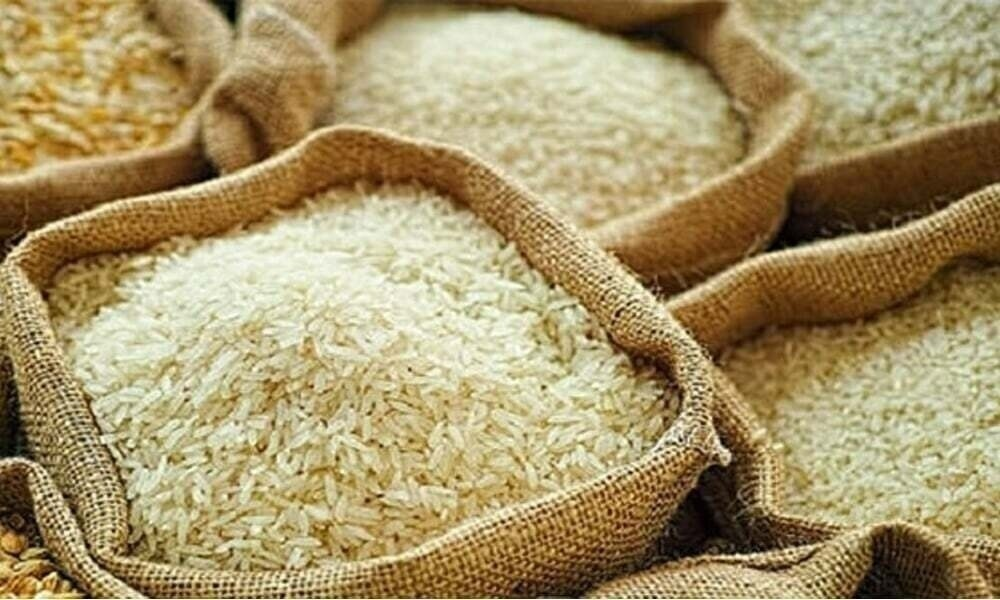
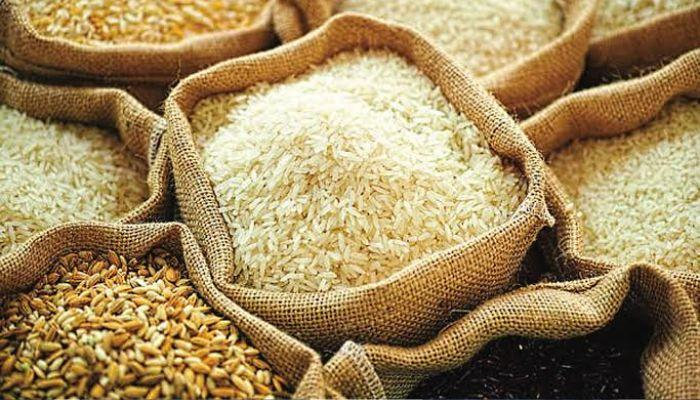
Under the agreement, most-favoured-nation tariffs will be reimposed if rice imports surge by 45% compared to a baseline of 387,000 tonnes.
Sofia Sanchez Manzanaro

Negotiators from the European Parliament and Council reached a deal late on Monday to overhaul the EU’s trade preferences scheme for developing countries, ending a two-year stalemate after breaking the deadlock over a contentious safeguard to limit rice imports into the bloc.
Under the agreement, most-favoured-nation tariffs will be reimposed if rice imports surge by 45% compared to a baseline of 387,000 tonnes – the EU’s ten-year import average – amounting to roughly 552,000 tonnes, a source familiar with the talks told Euractiv. These quantities can be reviewed one year after the regulation enters into force.
The compromise clears the way to update the Generalised Scheme of Preferences (GSP), which supports developing economies through tariff-free access for most products. Interinstitutional talks began in early 2023 but repeatedly stalled, prompting the EU to prolong the current scheme until 31 December 2027 while negotiations continued.
When talks resumed in June 2025, the main sticking point remained tariff-free rice imports from beneficiaries such as Myanmar and Cambodia.
How the deadlock broke
While most technical elements had already been settled, Monday’s final round of negotiations focused on fixing the precise import threshold for the automatic safeguard proposed by the Danish presidency, two sources inside the room told Euractiv.
Italy and Spain, the EU’s main rice-producing countries, had been the only countries pushing for a tougher safeguard that would halt imports, a position backed by the European Parliament. Spain’s EPP negotiator Gabriel Mato criticised the agreed thresholds as “excessively high” and difficult to trigger, saying only the EPP and ECR had defended a stronger mechanism while other groups “preferred to concede.”
Others welcomed the compromise. Renew’s Karin Karlsbro said “more than two billion people benefit from this legislation” and argued that “in times with growing protectionism it’s very important that the EU stands up for development through trade.”
No additional automatic safeguards for agricultural goods were included, but the co-legislators strengthened a special surveillance mechanism requiring the Commission to assess import surges and act where they risk harming the EU market.
Trade preferences and migrant returns
Another key part of the reform concerned the link between trade benefits and cooperation on migrant return policies, after the Council pushed to withdraw preferences from countries failing to readmit their own nationals.
“Trade benefits must be linked to the respect for human rights, good governance, environmental protection and – for the first time – cooperation on return of own nationals illegally present in EU,” said Danish foreign minister Lars Løkke Rasmussen.
MEPs secured stricter conditions before any suspension can occur, including a longer evaluation procedure, at least a year of engagement with the country concerned, and a two-year delay before the new conditionality applies to the poorest countries once the regulation enters into force.
Parliament’s lead negotiator Bernd Lange welcomed the outcome and what he called the Council’s rapprochement to MEPs’ concerns. “The Council moved considerably to meet Parliament’s concerns, creating a balanced system with clear guardrails and a differentiated system for least developed countries,” he said.
EU ambassadors are expected to give final approval in the coming weeks, with a plenary vote in Parliament scheduled for next year.
https://www.euractiv.com/news/compromise-on-rice-imports-paves-way-for-eu-trade-preferences-overhaul/Published Date: December 2, 2025


 READ
READ