Downloads
 Login
Login
 Register


Tags
Rice yields increase over 20% using alternate wetting, drying method: Study
TBS Report
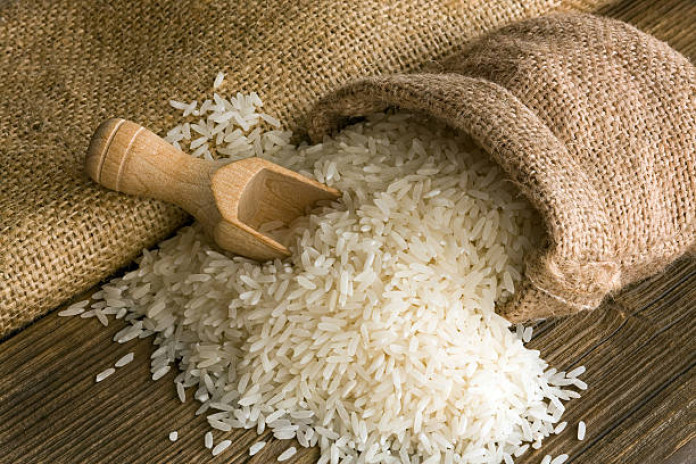
Alternate Wetting and Drying (AWD), a water-saving irrigation technique, has increased rice production in Bangladesh, according to a recent study.
Boro and Aus rice cultivated using the AWD method showed yield increases of 32.2% and 20.5% respectively. The research findings were presented on Tuesday (2 December) by Taichi Watanabe, CEO of Japanese firm AJI-CLE.
At the International Seminar on Farmers’ Capacity Building Initiatives for Climate Resilient Agriculture in Bangladesh through Low-Carbon Eco Systems, ICRA-BD Project, held at Pan Pacific Sonargaon Hotel in Dhaka, experts said the study also revealed that AWD can reduce carbon emissions by up to five tonnes per hectare.
The ICRA-BD project has been implemented in rural Bangladesh since October 2024 through a coalition of Japanese companies, including RYOBI Systems and AJI-CLE, in partnership with Bangladeshi organisations ANTAR and UGI, and with support from Japan’s Ministry of Economy, Trade, and Industry (METI).
Taichi Watanabe said, “This year, we completed the B2 study in cooperation with RYOBI Systems. The feasibility study was conducted across three districts – Cumilla, Feni, and Chattogram. Nearly 6,000 farmers participated, and 5,697 hectares of farmland were covered.
“Significant yield increases were observed in both Boro and Aman seasons. In Boro, yields increased by 32.2% compared to traditional methods, while in Aman, we recorded a 20% increase.”

At a seminar in Pan Pacific Sonargaon Hotel in Dhaka/ Courtesy
Dr Md Mahmudur Rahman, additional secretary at the Ministry of Agriculture, Bangladesh, attended the seminar inaugural session as the chief guest.
He stated that the Bangladesh government is finalising its carbon credit policy, which is expected to be completed within two months. The policy aims to reduce greenhouse gas emissions and allow Bangladesh to participate in the international carbon credit market in exchange for environmental benefits.
He added that, although Bangladesh’s contribution to global pollution is minimal, the country faces severe climate change threats.
“Nevertheless, Bangladesh is proactively implementing various programs to reduce carbon emissions and expand carbon credit initiatives,” he said.
The seminar highlighted the AWD technique, which involves periodically draining rice fields to allow them to dry before re-flooding. This method reduces water usage by 15-30% or more, lowers greenhouse gas emissions, particularly methane, and maintains or increases rice yields.
Emranul Huq Chowdhury, founder and principal advisor of ANTAR, said the AWD is highly effective in reducing methane emissions.
He added that the project follows a standardised protocol to ensure reliable measurement and implementation.
The project also introduces modern technologies to support farmers, including gas collection devices, IT-based monitoring systems, automatic harvesting equipment, and mechanised planting tools.
Technical assistance is provided by the Centre for Advanced Research in Sciences (CARS), DU, and the Bangladesh Rice Research Institute (BRRI).
Dr Gazi Nurun Nahar Sultana, chief scientist at CARS, DU, said, “The AWD method is not only a scientific advancement but also a practical, scalable solution for sustainable agriculture.”
The seminar showcased how the ICRA-BD project is contributing to climate-resilient agriculture, food security, and farmer engagement in Bangladesh through innovative, low-carbon rice cultivation practices.
Under this project, there are plans to cultivate rice using this method on 69,300 hectares of land by 2030.
https://www.tbsnews.net/agriculture/rice-yields-increase-over-20-using-alternate-wetting-drying-method-study-1300416Published Date: December 3, 2025


 READ
READ